Clay female figurines with pubic triangles
European Museums, The British MuseumClay female figurines. There was a long tradition in the ancient Middle East of depicting nude females to encourage fertility and success in life. There are no inscriptions on these figurines so we do not know exactly who or what they were intended to represent. These figurines are also heavily laden with representations of expensive jeweled necklaces, telling us something about the aspiration of wealth in ancient Iran. These were found at the city of Susa, and it is likely they were part of a local cult there. Prehistoric figurines were made individually by hand but these figures were mass-produced by pressing wet clay into decorated open moulds. They were then allowed to dry and fired in a kiln. They may also have been painted. The variations in shape, size and detail give us an indication of the huge number of moulds that must have been used. 1500 - 1000 B.C., Susa
Featured in the picture(s):
Clay female figurine, pubic triangle
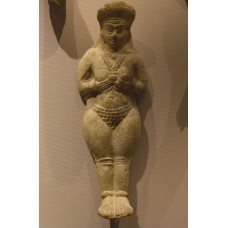
Pubic triangles on female clay figurinesClay female figurinesThere was a long tradition in the...
Read moreClick here: thesimpleanswers.com/the-true-cross/
