Text, Nabonidus and sacred buildings
European Museums, The British MuseumBabylonian inscriptions. Nebuchadnezzar captures Jerusalem. This official document chronicles important events in the reign of Nebuchadnezzar between 605 B.C. and 595 B.C. It pinpoints the Babylonian conquest of Jerusalem and the surrender of Jehoakim, King of Judah, at Jerusalem in 597 B.C. Nebuchadnezzar's right hand man. The Chief Eunuch Nabu-sharussu-ukin, rab sha-reshi, donated gold to the Marduk Temple at Babylon. His name and title occur as Nebo-Sarsekim, rab-saris, in Hebrew in the Book of Jeremiah. He probably met the Prophet Jeremiah at Nebuchadnezzar's second capture of Jerusalem in 587 B.C. One God. Here a Babylonian scholar speculates on how powerful, independent Mesopotamian gods can be seen as aspects of the god Marduk. It is interesting to reflect that a similar idea characterized the religion of the incoming Judaeans. Belshazzar and the Bible. This administrative document is dated to the '24th day of Kislimu in the 11th year of Nabonidus, King of Babylon'. It mentions
Featured in the picture(s):
Babylonian inscriptions, Nebuchadnezzar captures Jerusalem
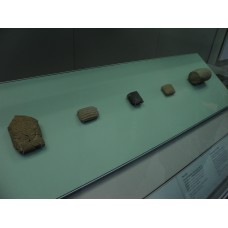
Babylonian inscriptionsNebuchadnezzar captures JerusalemThis official document chronicles important...
Read moreClick here: thesimpleanswers.com/the-true-cross/
